Water Content in Acetone Solvent Systems
How moisture in the substrate affects film formation and storage stability in coatings and adhesives, and why a typical 0.2% water content is sufficient for most formulations.
Nov 2026


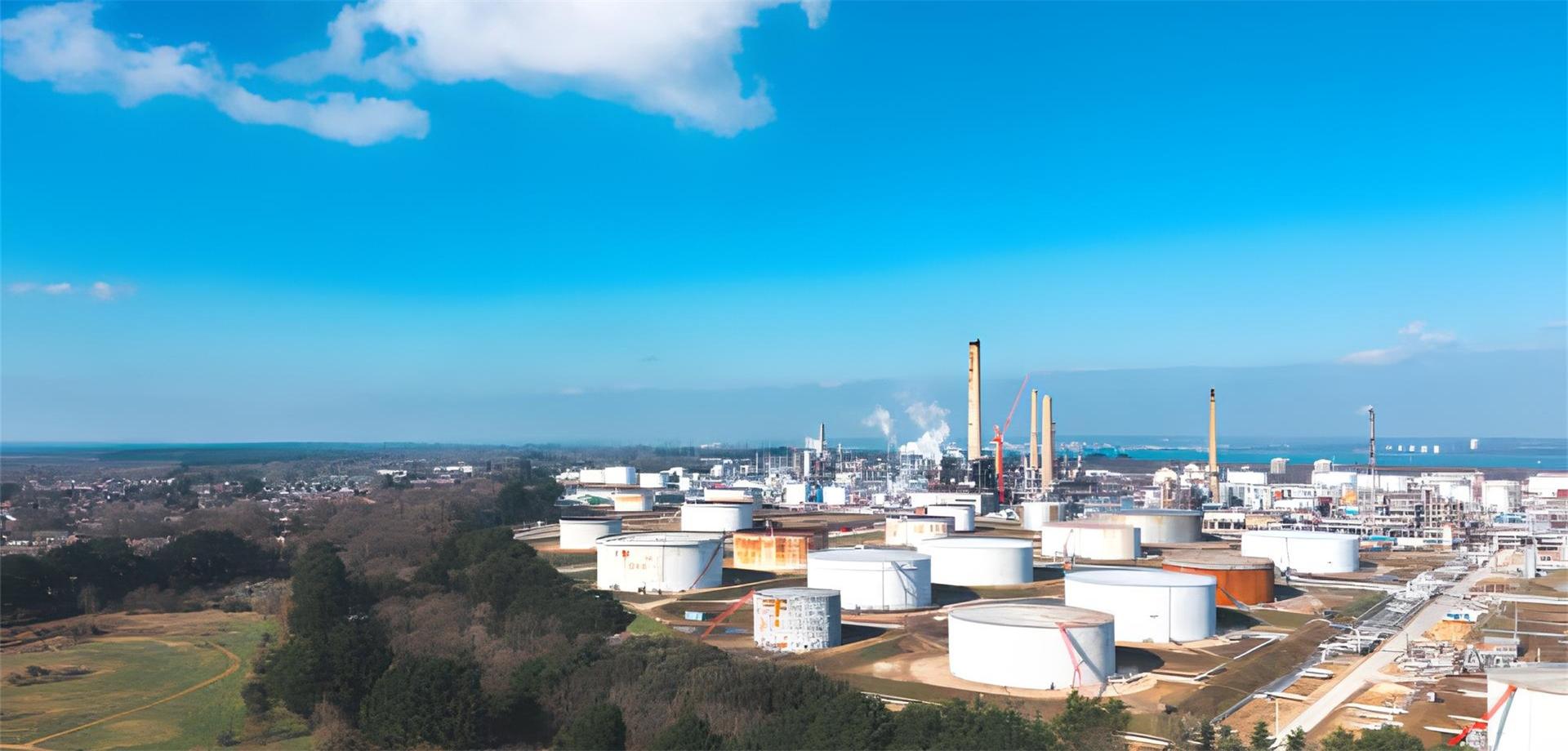

Ascent Group Co., Ltd organizes the production and delivery of Shell Acetone around disciplined incoming-material and batch control. Raw materials are logged by batch number on receipt and key indicators are re-verified before loading. In-process control runs ASTM methods in parallel with validated in-house methods, and the critical items — purity, water, acidity and color — are double-checked on two tracks.
Filling takes place in clean, closed containers to avoid moisture pick-up and cross-contamination. Stock of standard grades is held ready and production is scheduled to contract rhythm, so drum, IBC and bulk orders ship on plan, organized under internationally recognized quality management practice.
Purity, water, acidity and color are re-checked before every release.
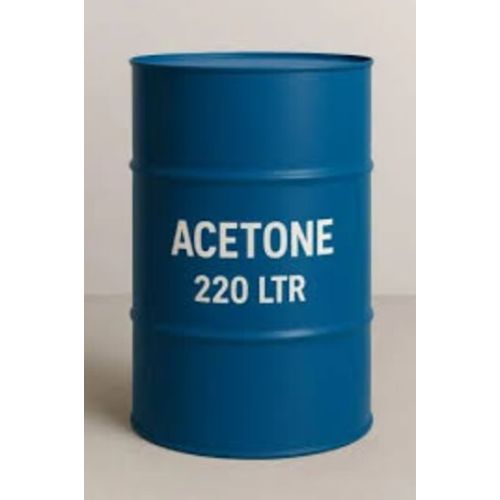
Shell Acetone is a colorless, low-boiling, free-flowing liquid with a characteristic odor. It is miscible in all proportions with water, alcohols, many hydrocarbons and other organic liquids, and shows good solvency for animal and vegetable oils, cellulose ethers, natural and synthetic resins and a wide range of organic compounds (Shell Chemicals Acetone TDS, Product Code U8903). Synonyms: 2-propanone, dimethyl ketone, DMK.
The grade meets ASTM D329, ACS 10th edition General Use requirements and the current National Formulary monograph, and contains no detectable polycyclic aromatic hydrocarbons, heavy metals or chlorides. TDS, COA and SDS are provided with the goods.
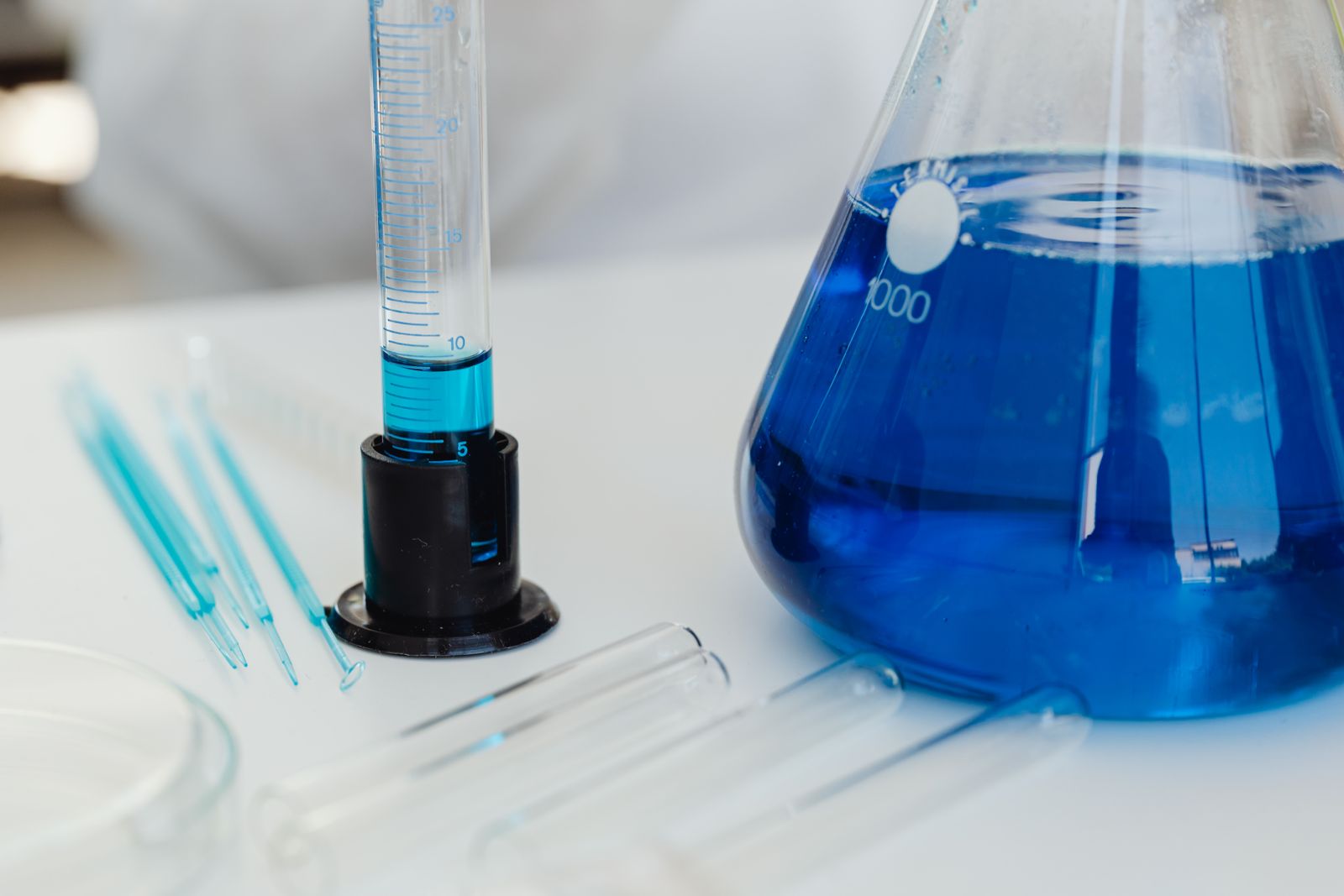
Get QuotationTypical physical and chemical data for Shell Acetone (CAS 67-64-1), compiled from the Shell Chemicals Acetone Technical Datasheet, Product Code U8903.
| Property | Typical Value | Method |
|---|---|---|
| Purity (assay) | min. 99.5 %m/m | GC |
| Water content | 0.2 %m/m | ASTM D1364 |
| Acidity as acetic acid | 0.001 %m/m | ASTM D1613 |
| Color | < 5 Pt-Co | ASTM D1209 |
| Density @20°C | 0.791 kg/l | ASTM D4052 |
| Specific gravity 20/20°C | 0.792 | — |
| Refractive index @20°C | 1.359 | — |
| Boiling point | 56 °C | — |
| Freezing point | −95 °C | — |
| Flash point (Abel, closed cup) | −18 °C | IP 170 |
| Auto-ignition temperature | 540 °C | ASTM E659 |
| Explosion limits | 2.1–13 %v/v | — |
| Vapour pressure @20°C | 25 kPa | — |
| Viscosity @20°C | 0.32 mPa·s | — |
| Surface tension @20°C | 24 mN/m | — |
| Relative evaporation rate (nBuAc=1) | 5.6 | — |
| Molecular weight | 58 g/mol | — |
| Miscibility with water | complete | — |
| Benzene | ≤ 30 mg/kg | — |
| Methanol | ≤ 0.05 %m/m | — |
| Permanganate fading time | ≥ 120 min @25°C | — |
| Non-volatile matter | ≤ 1 mg/100 ml | — |
Typical values, not for specification — actual values per batch COA. Source: Shell Chemicals Acetone Technical Datasheet (Product Code U8903, CAS 67-64-1).
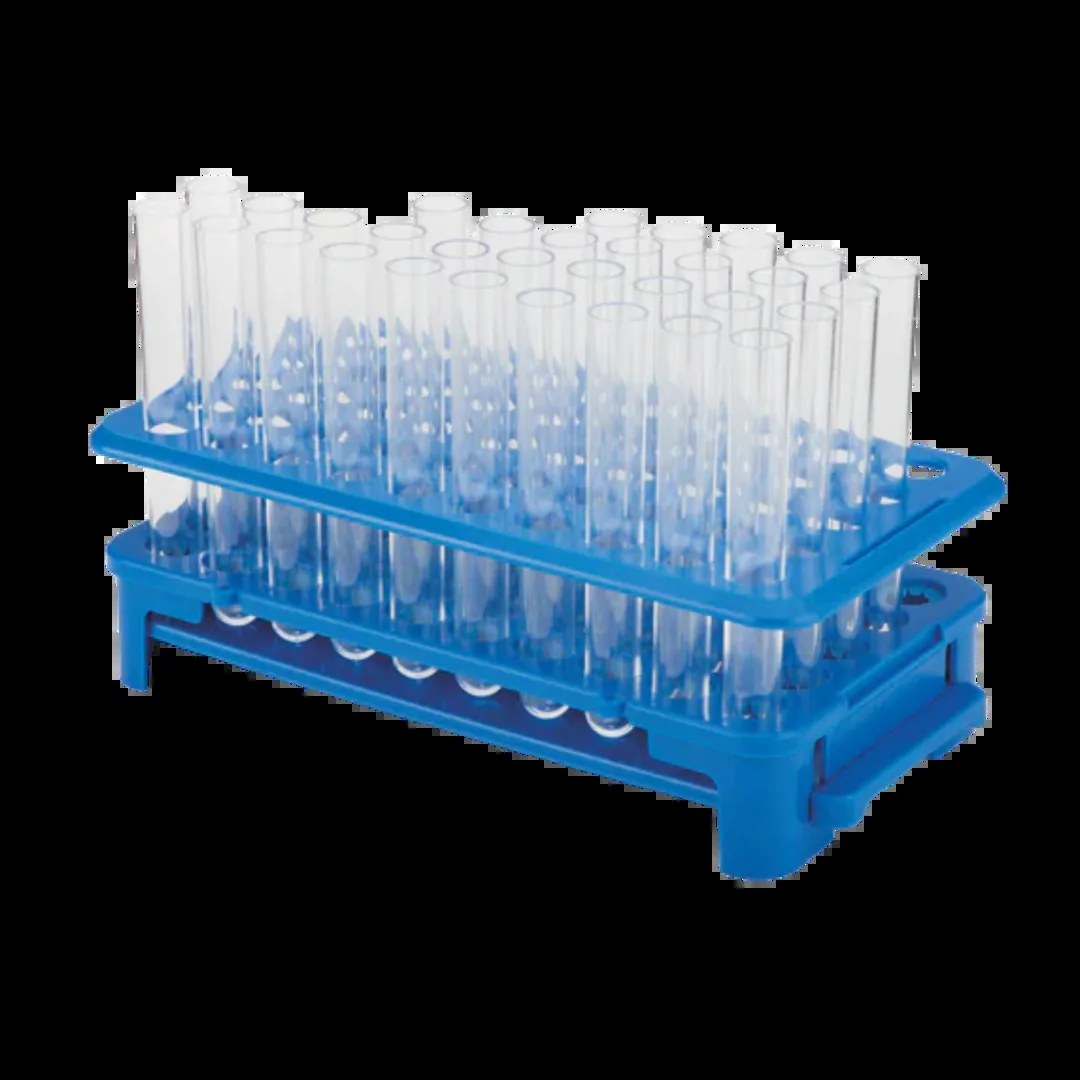
Fast-evaporating main solvent for nitrocellulose and polyurethane systems, enabling rapid drying and quick film formation.
Intermediate and reaction solvent for MMA, BPA, MIBK and related syntheses.
Dissolution of cellulose acetate, polystyrene and acrylic resins for fiber spinning and film casting.
Removes flux residues, oils and particles from PCBs and precision components.
Reaction solvent for API synthesis, tablet coating and laboratory glassware cleaning.
Clears surface oils and resins from metal parts before painting or bonding.
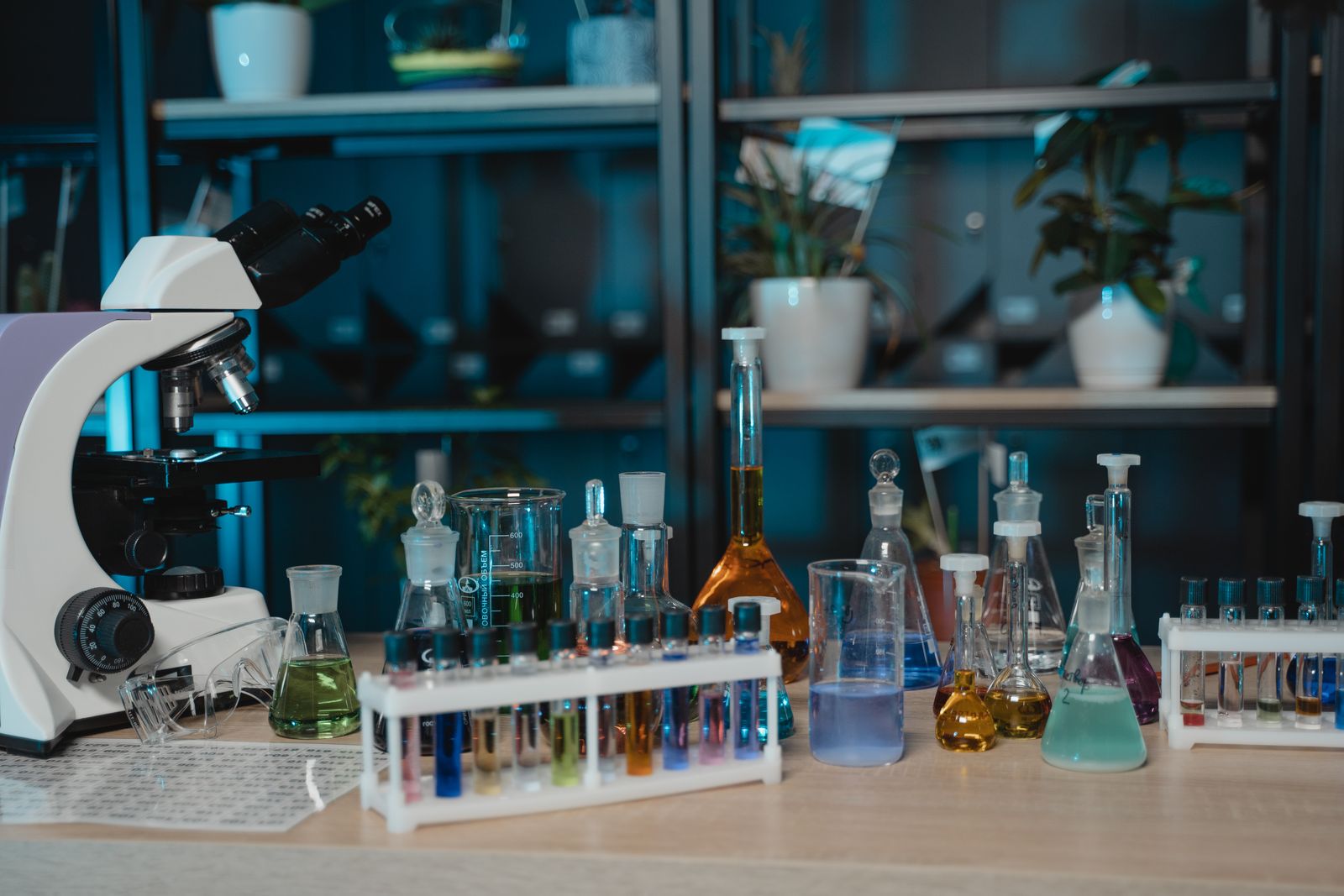
Every batch is aligned on purity, water, acidity and color, keeping batch-to-batch variation under control.
Fully miscible with water and non-azeotropic, giving a wide formulation window for solvent blending.
From 160/200 kg drums to 1000 L IBCs and bulk supply, matched to your plant consumption.
A single sales contact handles quotation, documents and shipment milestones from inquiry to arrival.
New, clean and sealed steel drums for standard drum orders.
IBC totes for palletized mid-volume supply.
ISO tank containers and bulk tank trucks for plant-scale volumes.
Palletized loads with export documents prepared to destination port requirements.
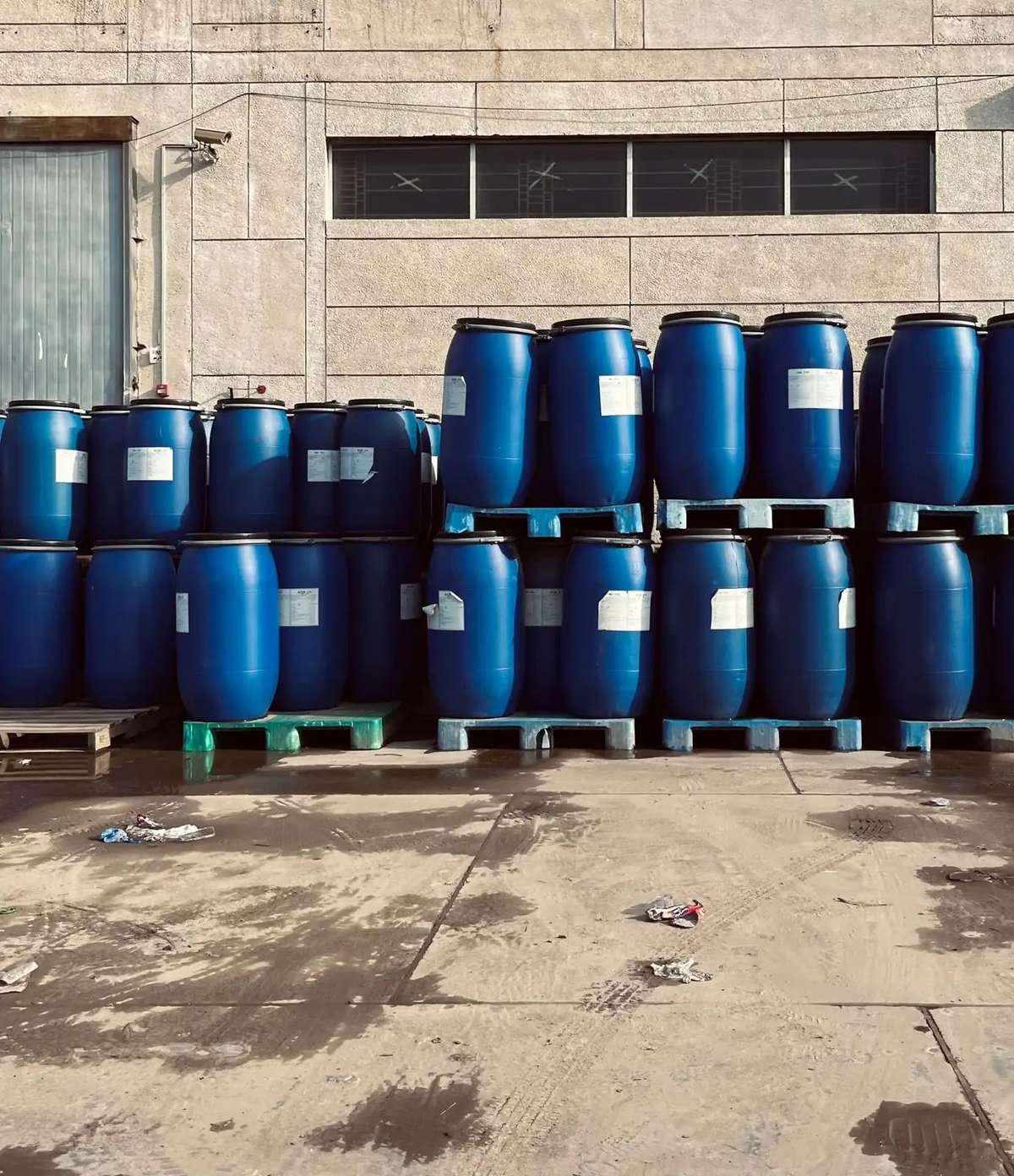
Transport compliance: UN 1090, dangerous goods Class 3 flammable liquid, Packing Group II. Containers are closed and clean to prevent moisture pick-up in transit.
Store in cool, well-ventilated warehouses away from heat, open flames and oxidizers, keeping containers closed. Per the Shell TDS, under correct storage and handling conditions the technical stability period is not less than 12 months.
Standard grades are held in stock and non-standard grades are confirmed against the production schedule; export documents are prepared to destination port requirements.
Ask for Packing OptionsShort answers on purity, transport, mixing, packaging and documents for Shell Acetone.
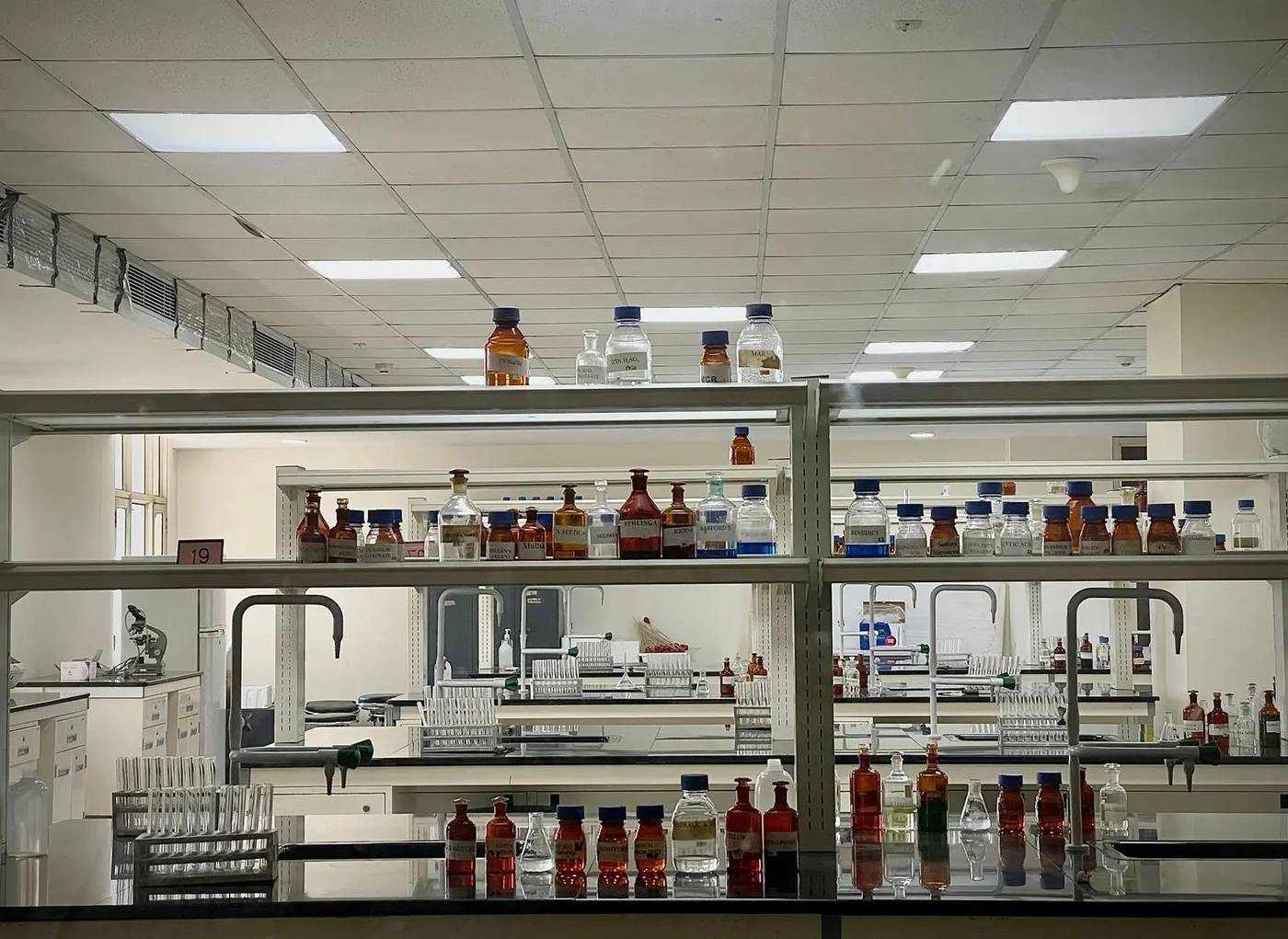
Typical minimum 99.5% m/m (GC); the actual value per batch COA.
CAS 67-64-1; UN 1090, Class 3 flammable liquid, Packing Group II.
Miscible in all proportions with water, alcohols and many organic liquids.
160/200 kg steel drums, 1000 L IBC, ISO tank and bulk.
Typical water 0.2% m/m; color < 5 Pt-Co.
Contact James Jiang with quantity, packaging and destination port; TDS, COA and SDS are provided with the goods.
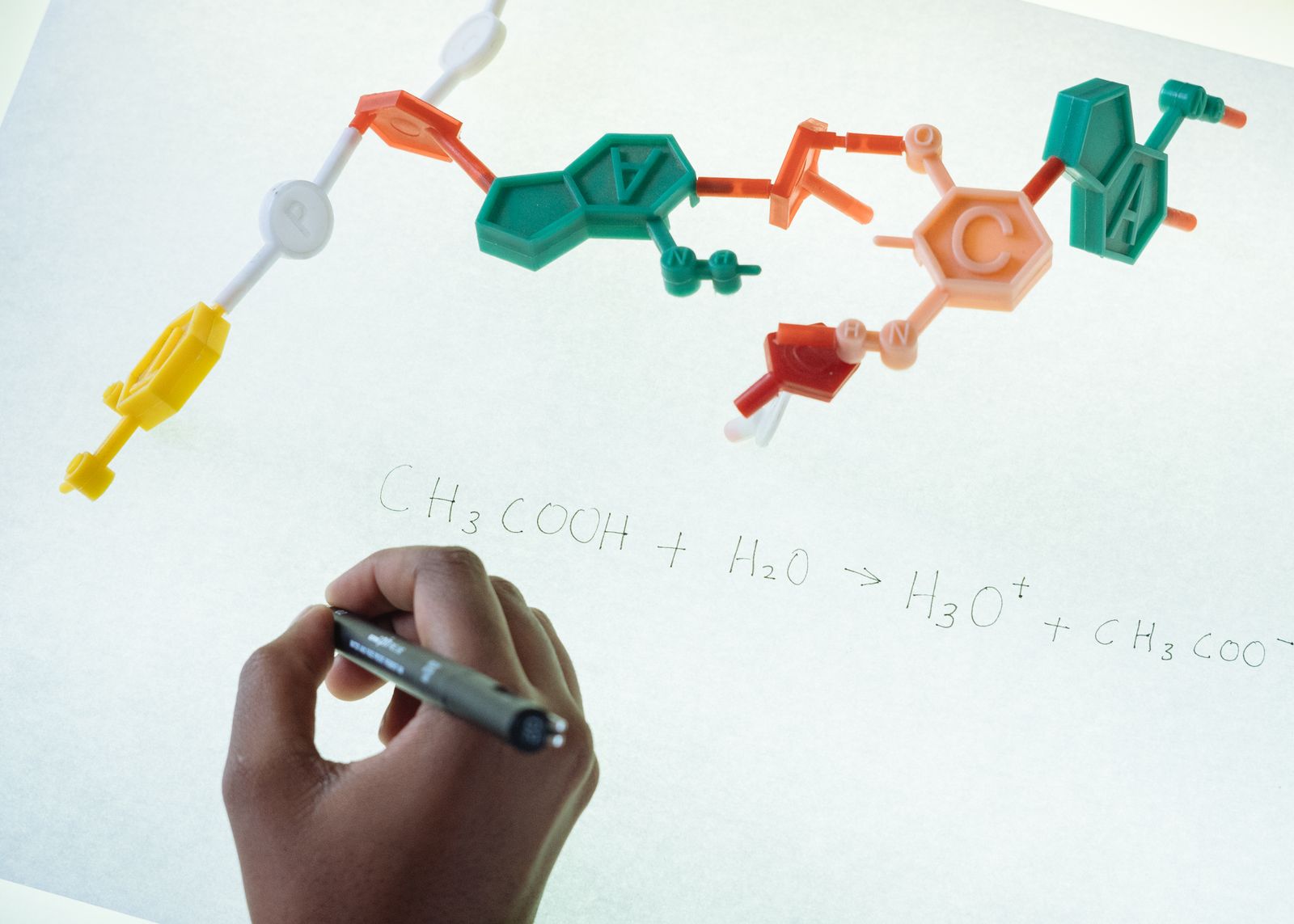
How moisture in the substrate affects film formation and storage stability in coatings and adhesives, and why a typical 0.2% water content is sufficient for most formulations.
Nov 2026
What purity, water, acidity and color each control, and why purity alone is not enough to judge whether a grade fits your process.
Nov 2026
How seasonal demand swings, packaging choices and transit times shape procurement rhythm, without price forecasts or specific market figures.
Nov 2026
Tell us the quantity, packaging form and destination port, and you will receive a quotation together with the shipping document arrangement.

James Jiang · Sales Manager
Scan to WhatsApp